
History of Château du Loroux
A Storied Past: From Cistercian Abbey to Luxury Château
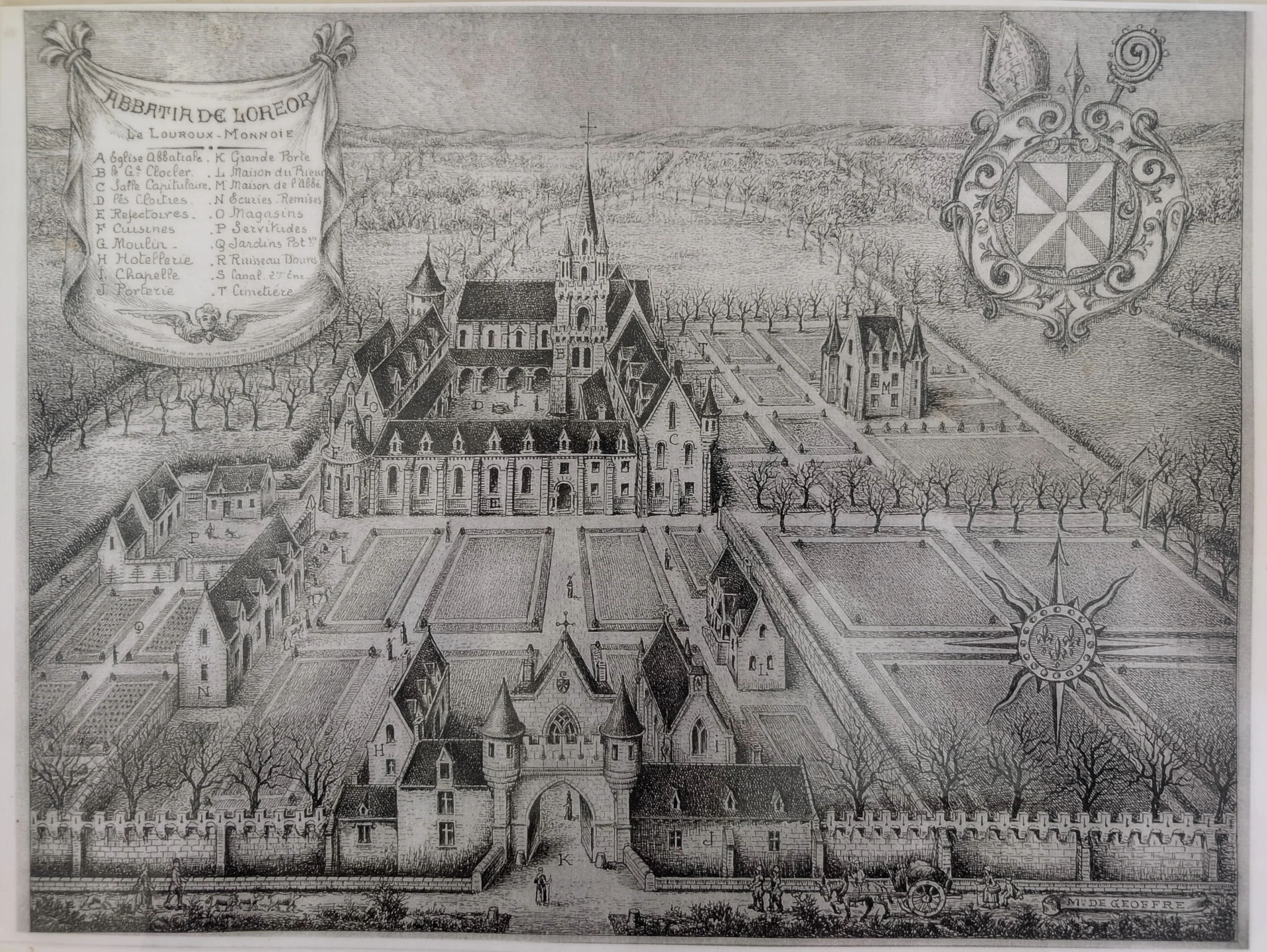
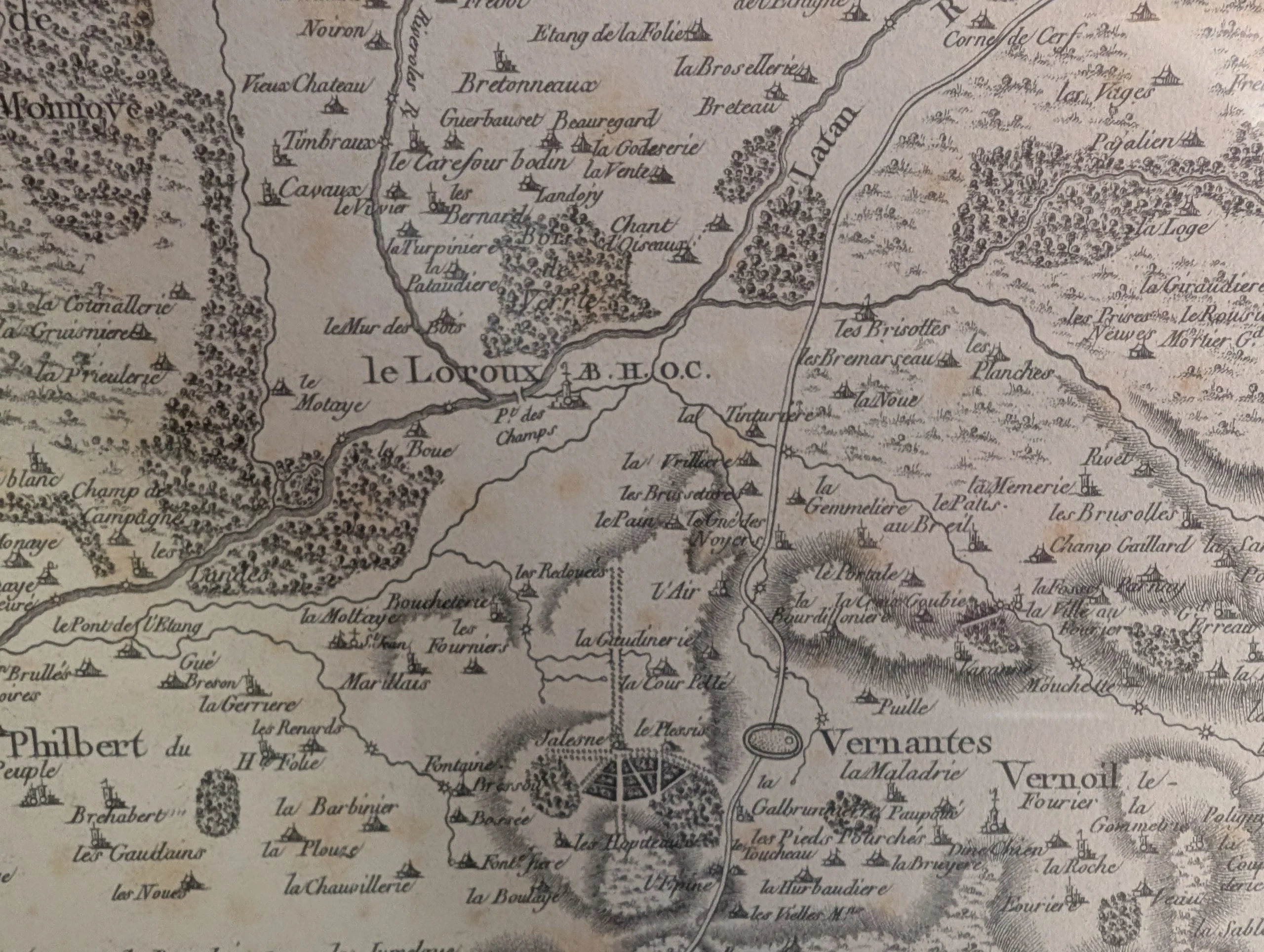
Château du Loroux is steeped in centuries of history. Once the site of the Abbey of Loroux (Abbaye du Loroux-en-Vernantes), one of the early Cistercian foundations in Anjou, it has evolved through war, change, and restoration into the refined estate it is today.
Origin & Foundation
The abbey was founded on September 13, 1121, by Eremberge (or Eremburge) of Anjou, in thanksgiving for the safe return of her husband, Foulques V, from the Crusades.
The name “Loroux” is believed to derive from the Latin oratorio (oratory), indicating a place of prayer.
Medieval Flourishing & Cistercian Influence
At its height in the Middle Ages, Loroux was a thriving Cistercian community. It housed up to 300 monks and was mother to several daughter abbeys—including Pontron, Bellebranche, Beaugerais, and Santa Maria della Vittoria.
The abbey’s architecture reflected the Gothic Angevin style, and the grounds included richly ornamented chapels and frescoes. The church was consecrated in 1179.
Turbulence, Fortification & the Hundred Years’ War
The Hundred Years’ War brought hardship. In 1357, mercenary bands known as the Tard-Venu under Robert Marcault occupied and pillaged the abbey, turning its church into a fortress. The monks fled but were restored to the abbey in 1371 by forces led by Bertrand du Guesclin.
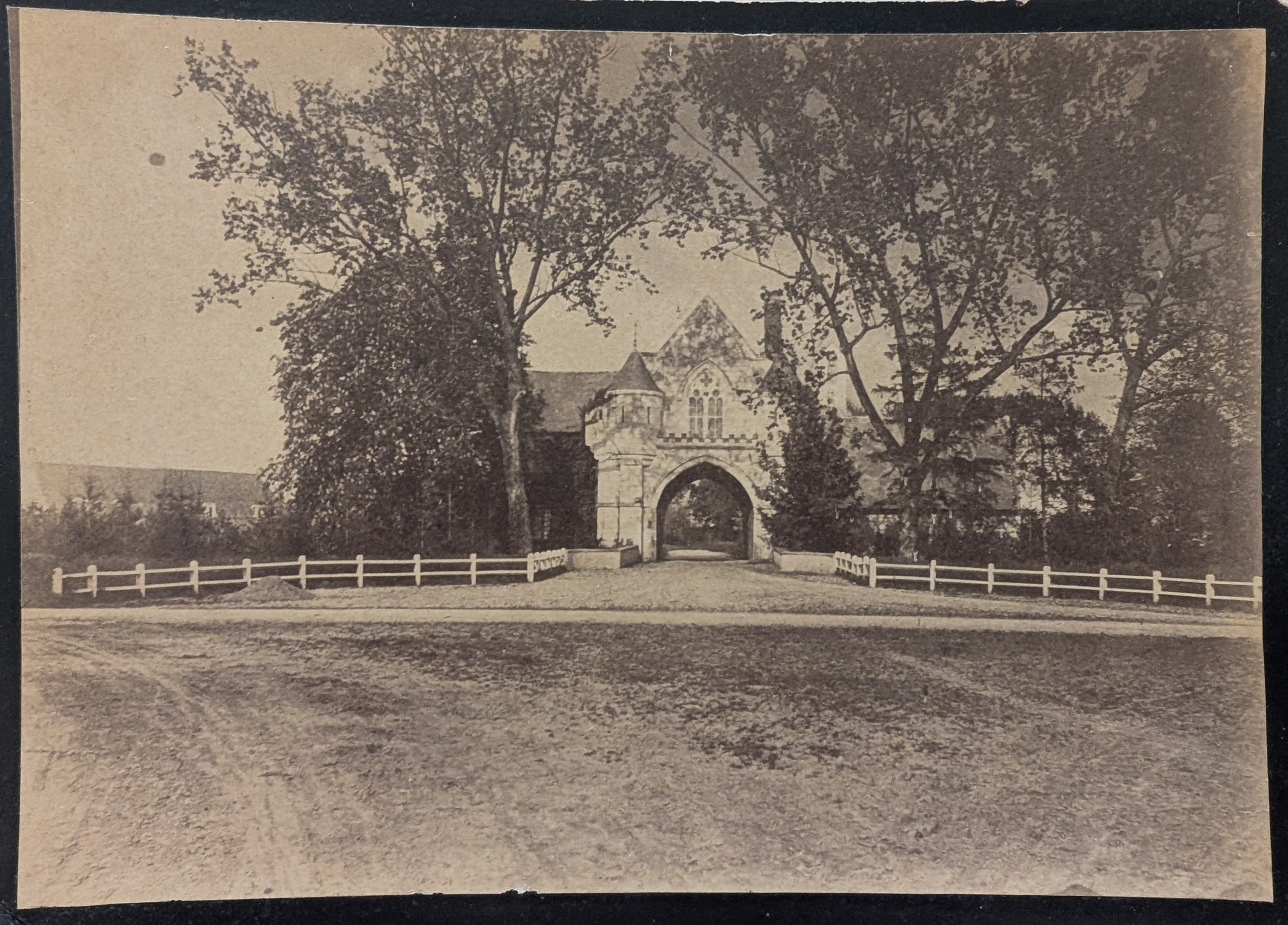
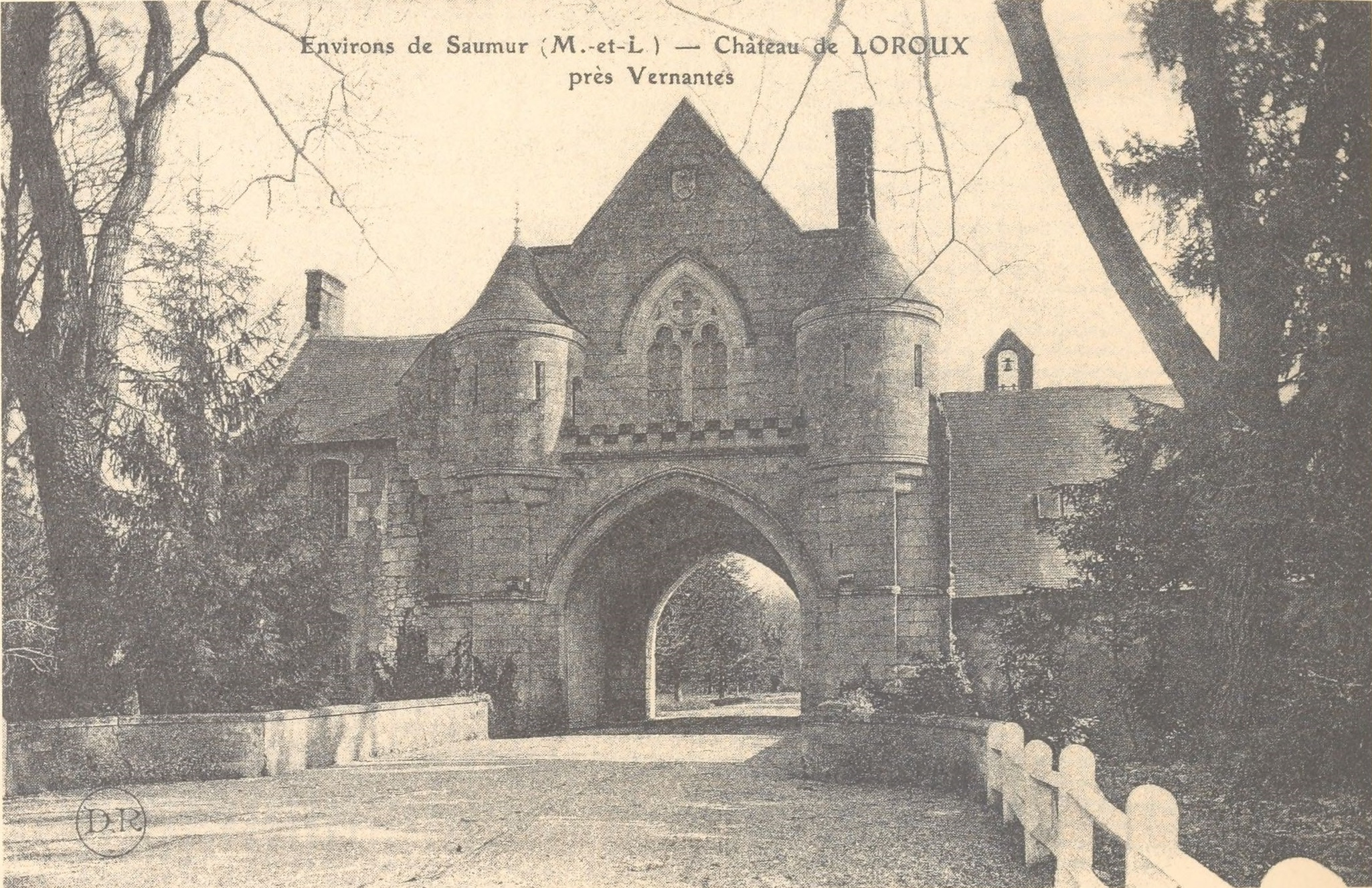
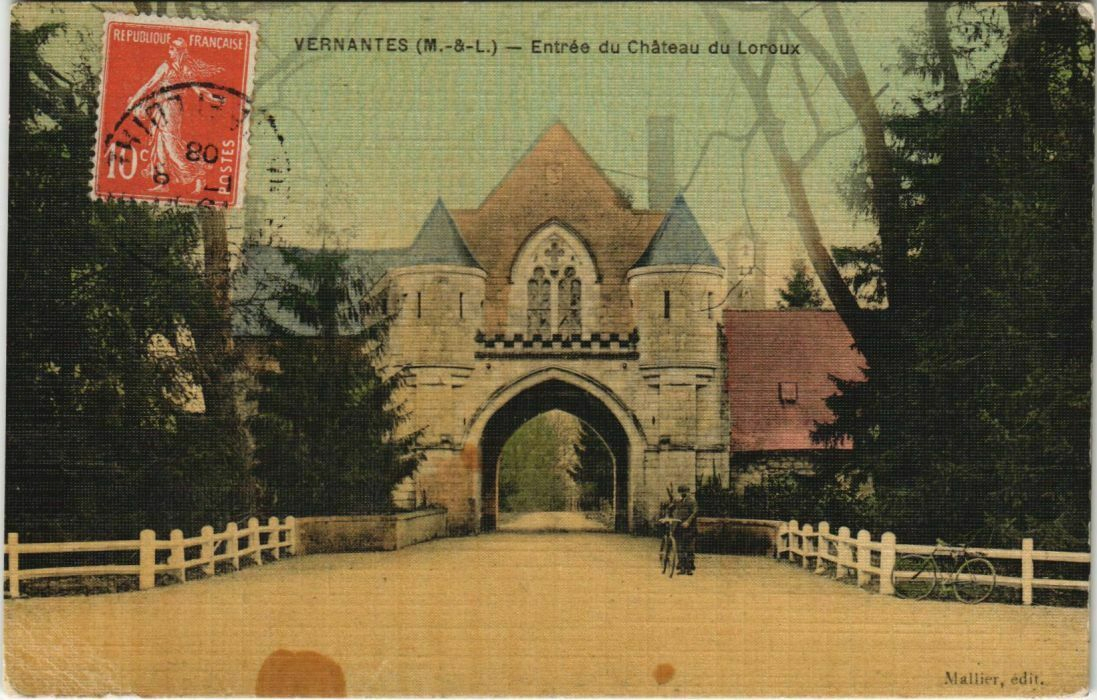
During this time and later, the abbey was reinforced: walls, double moats, and gates were constructed under abbots like Aimeric to defend against recurring threats.
Renaissance, Commendatory Regime & Decline
After the wars, royal patronage helped restore parts of the abbey. King René made generous donations, including stained glass windows. However, with time the spiritual life waned as the abbey was placed under the commendatory regime, where abbots were often absentee and more concerned with revenue than religious discipline.
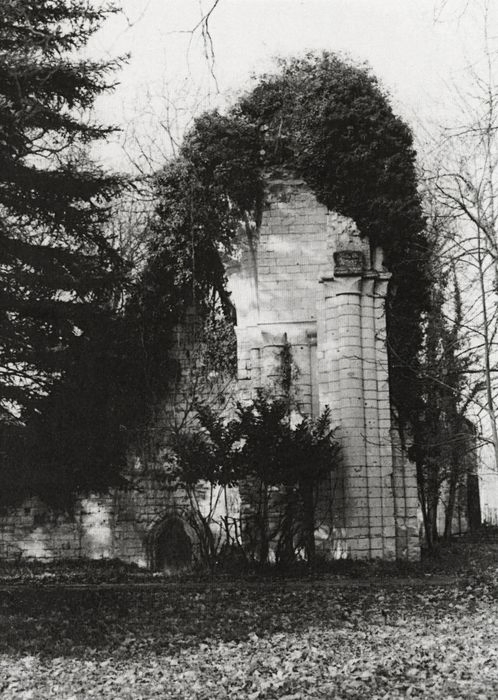
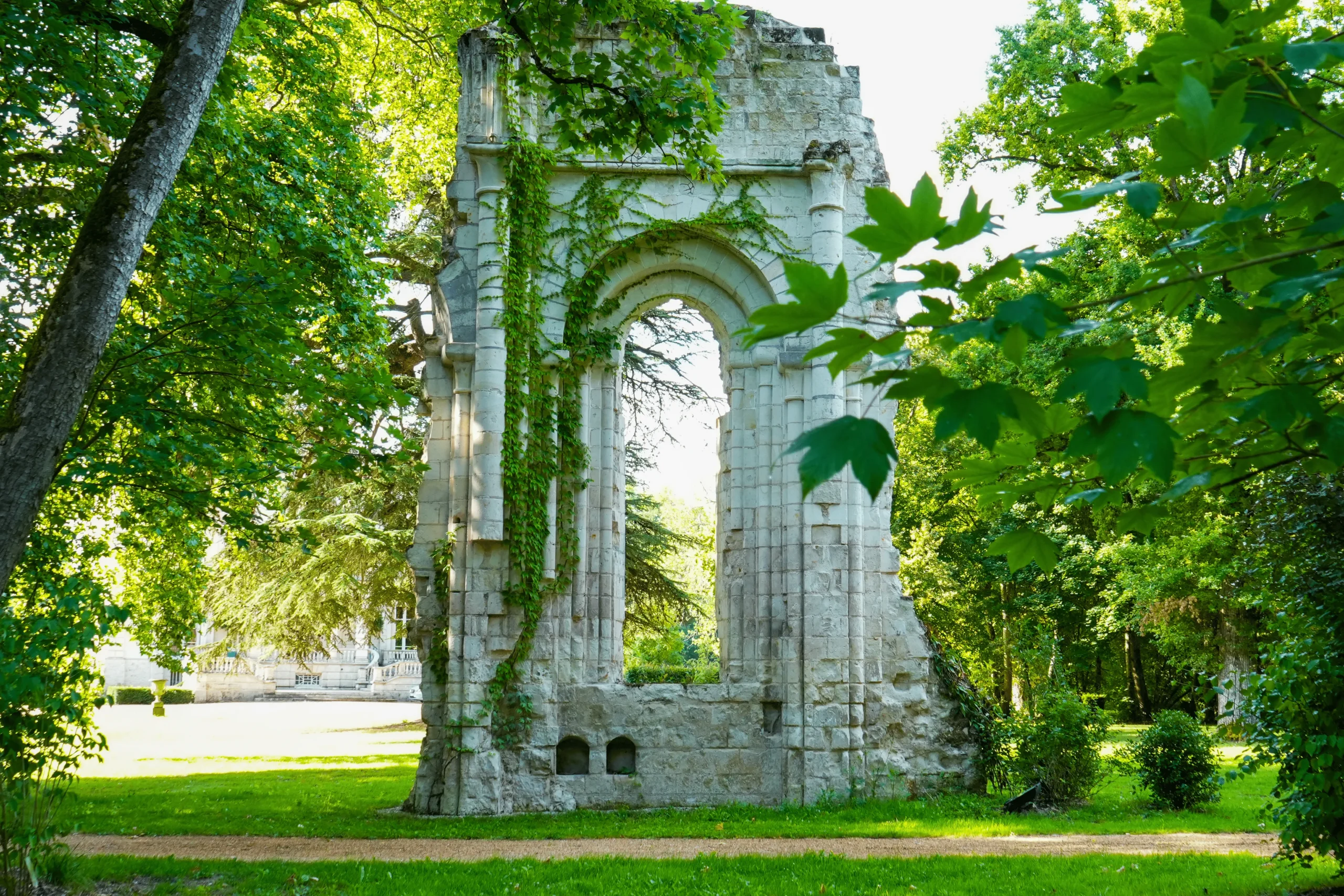
Eventually, during the French Revolution in 1791, the monks were expelled, and the abbey’s monastic community was dissolved. Much of the abbey was destroyed or repurposed.
From Revolution to Restoration
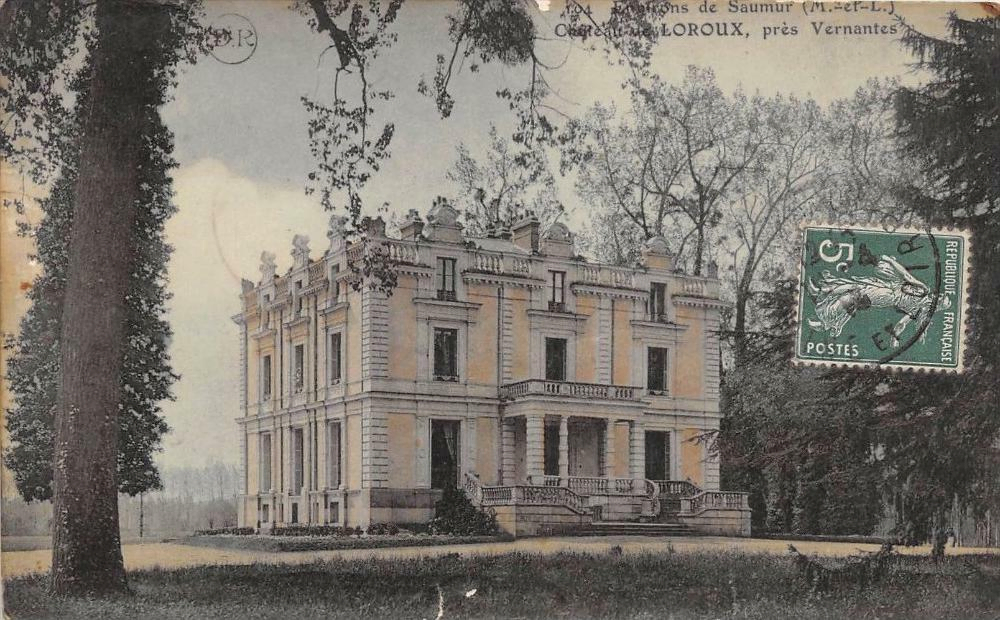
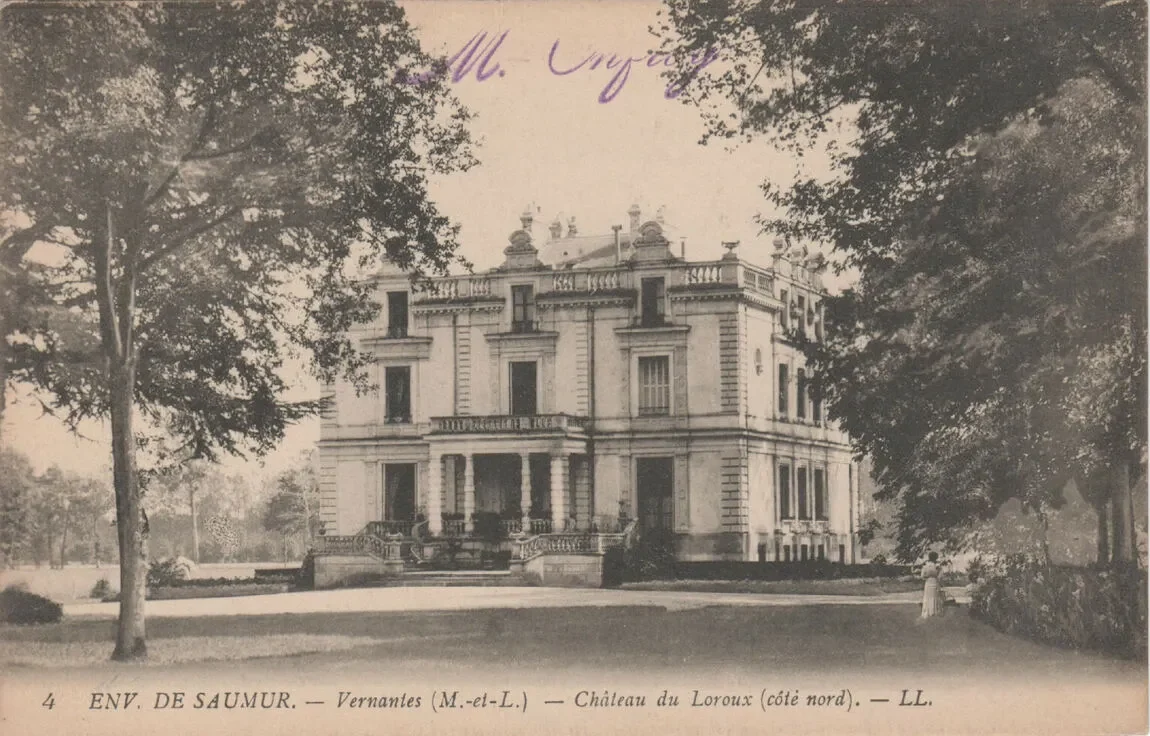
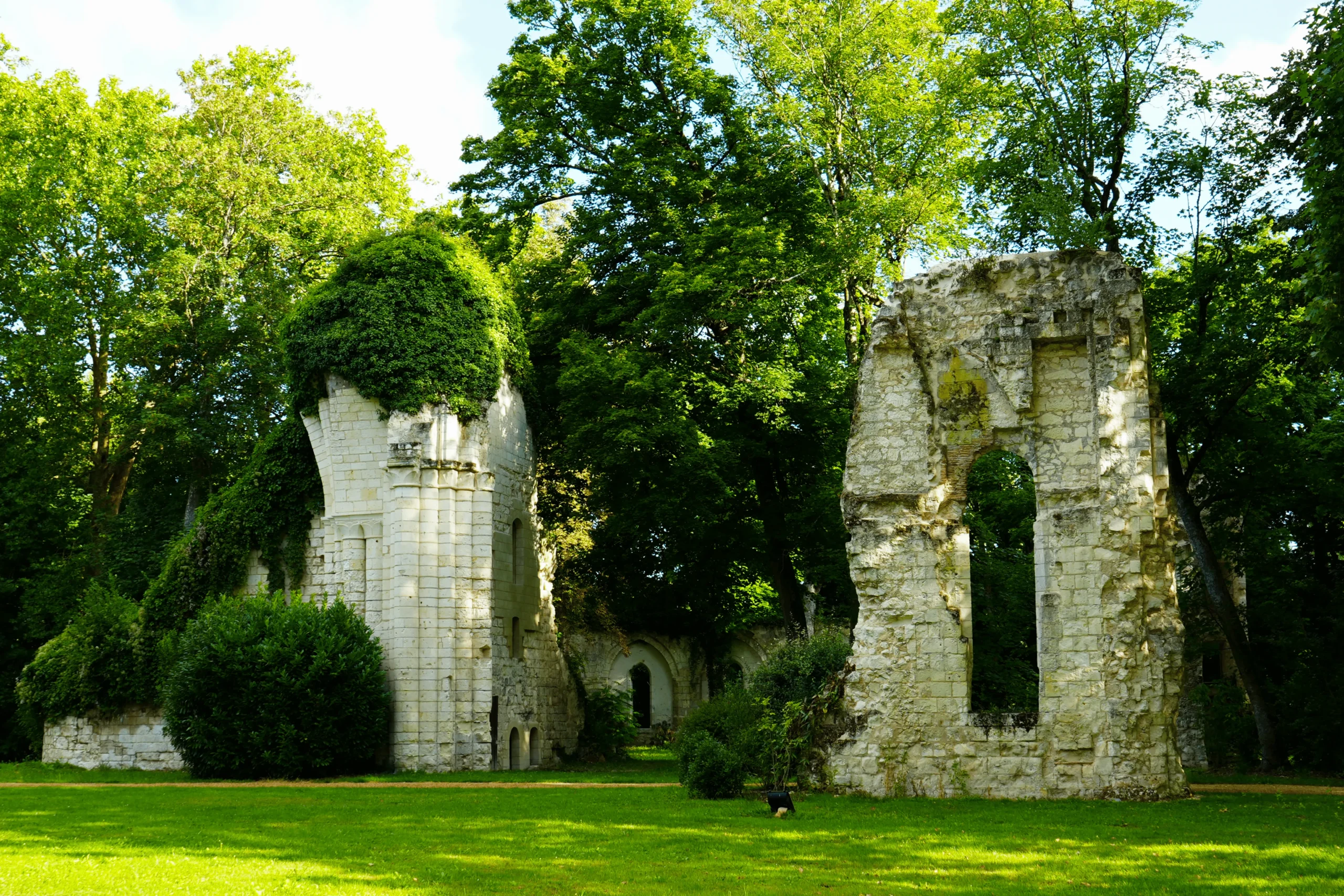
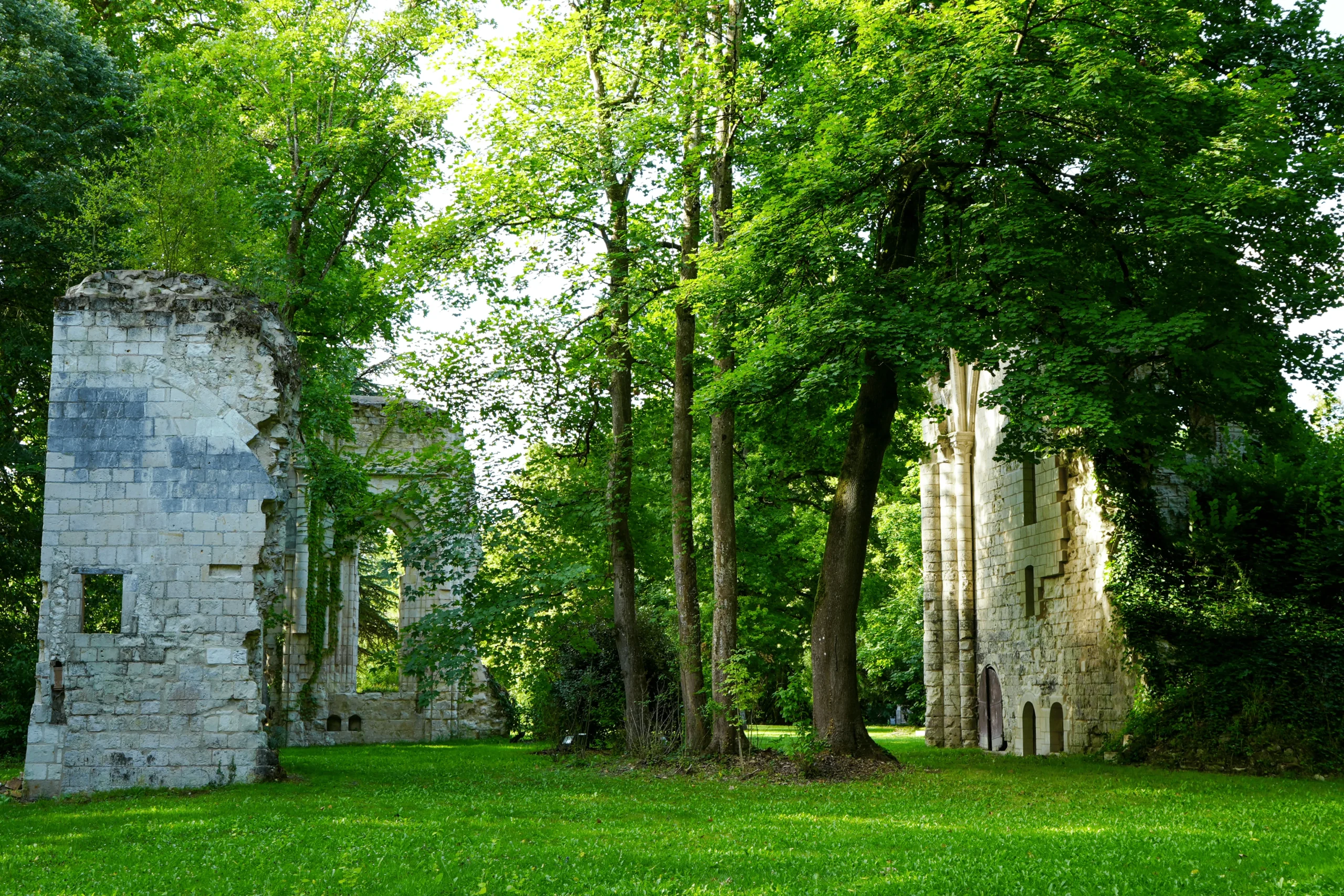
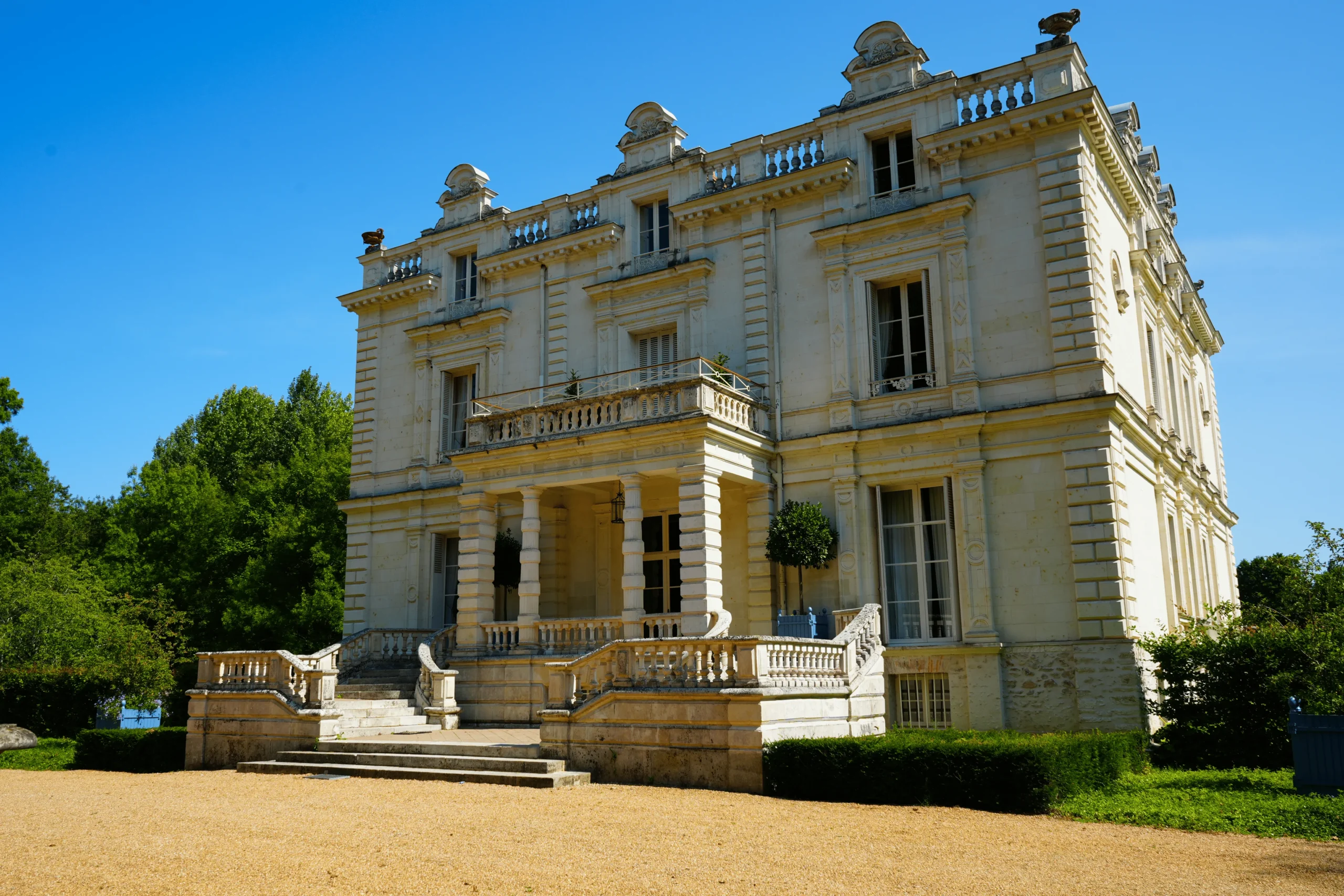
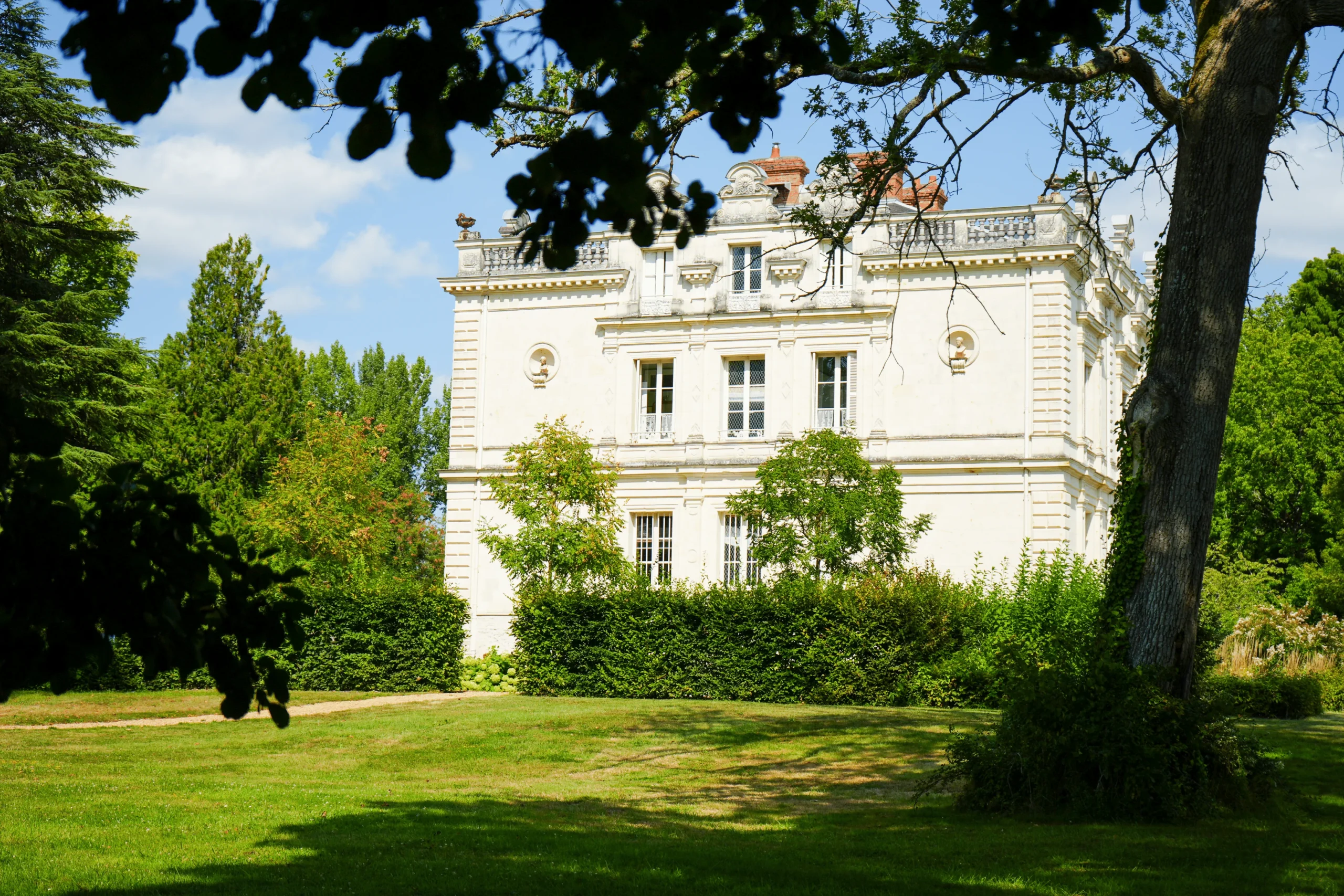
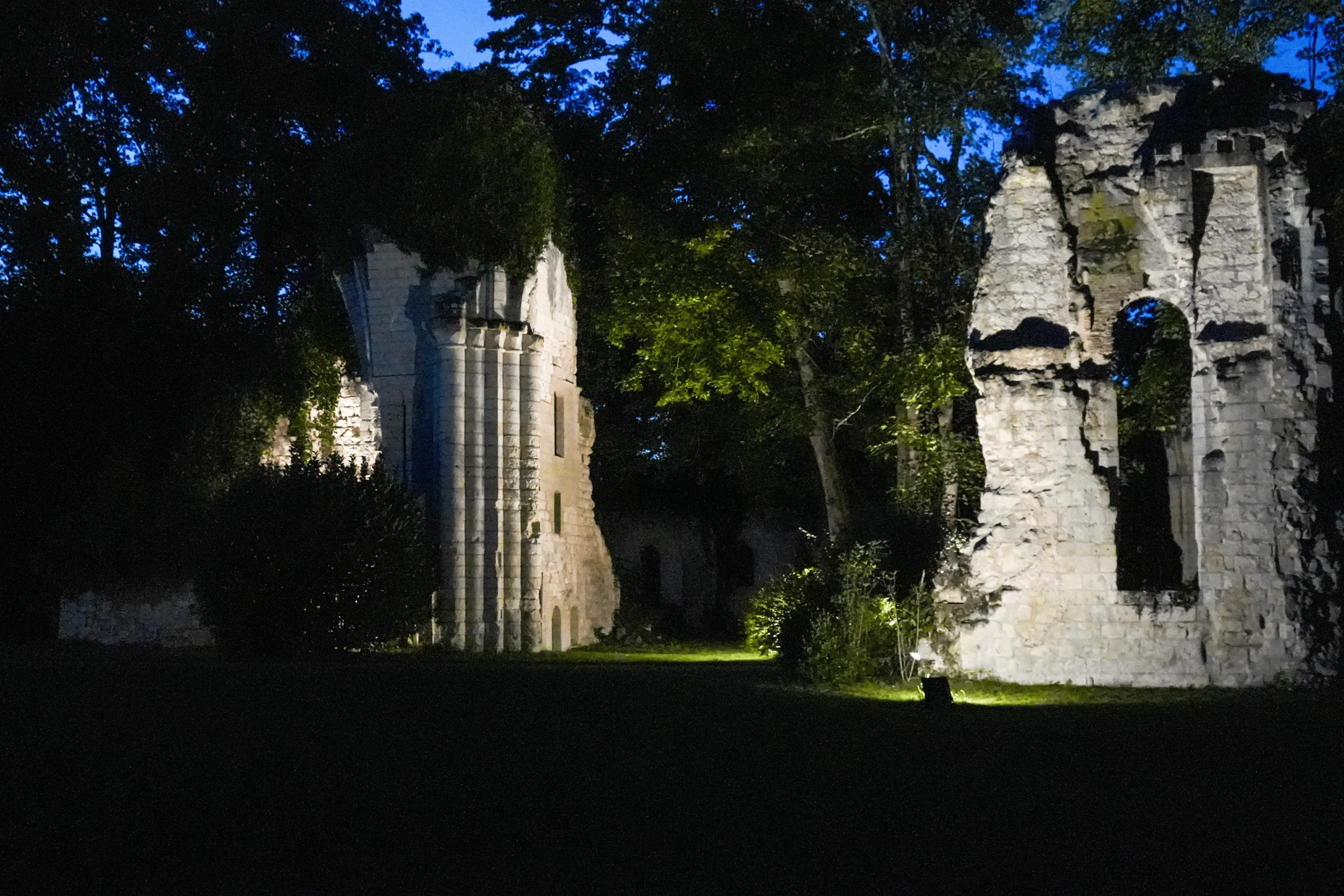
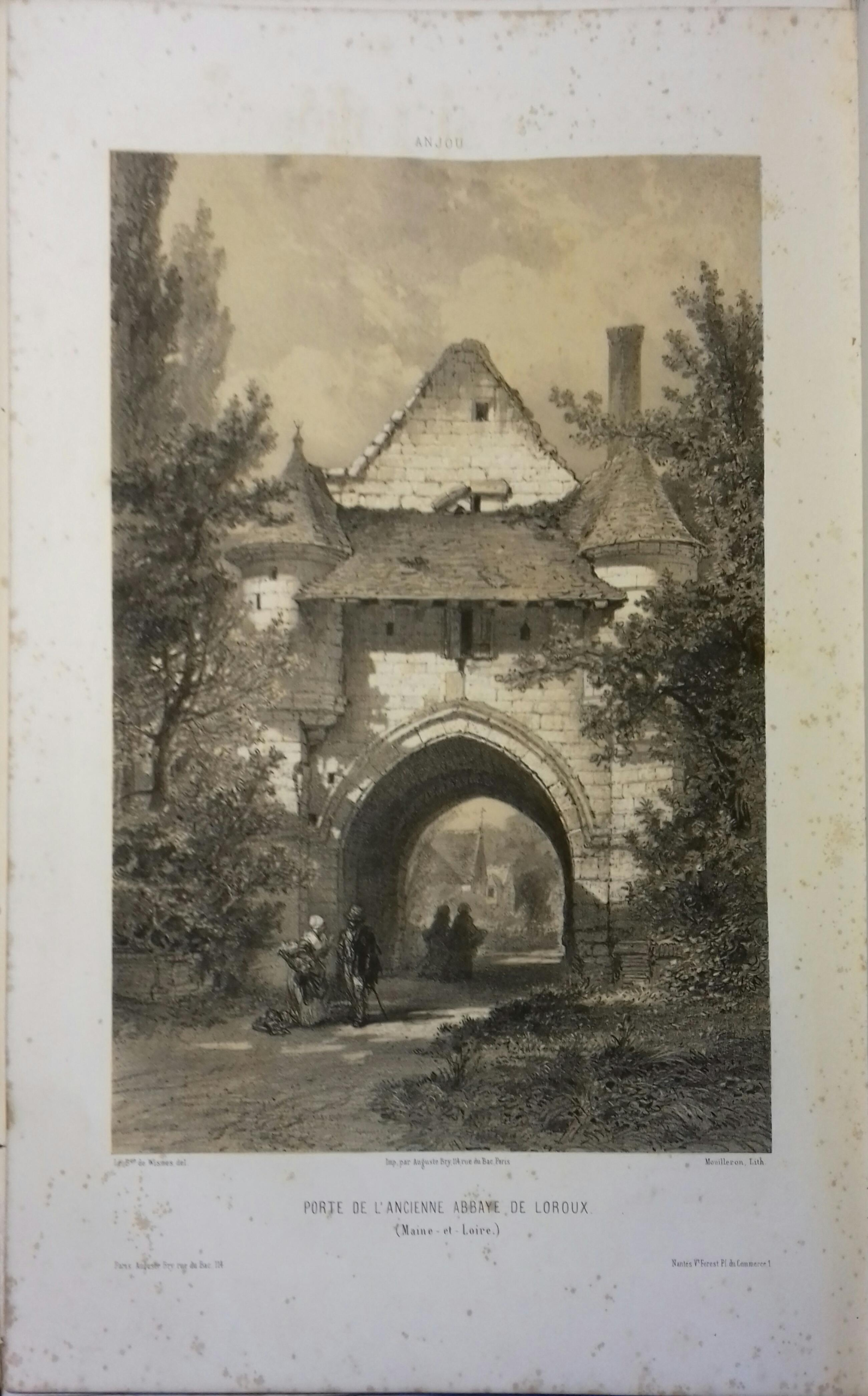
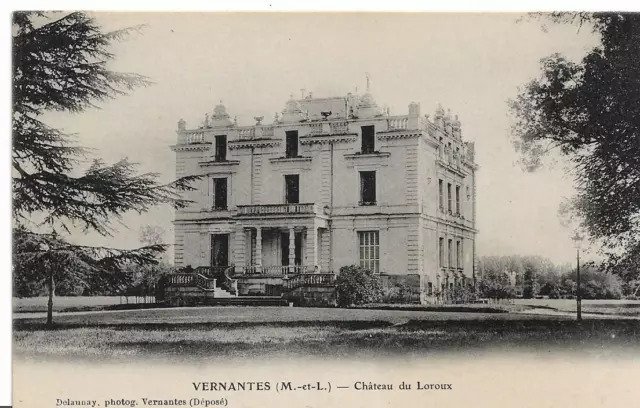
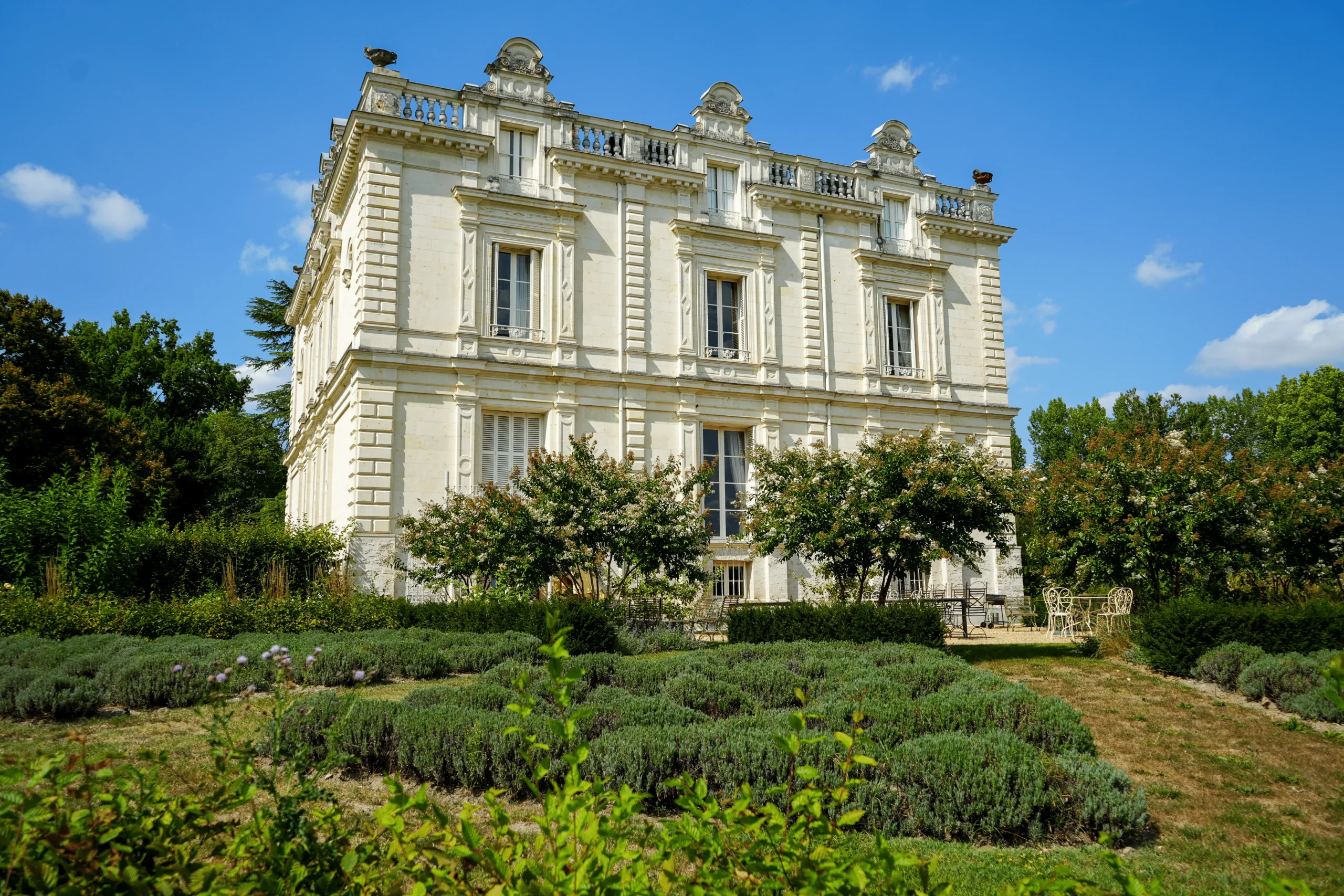
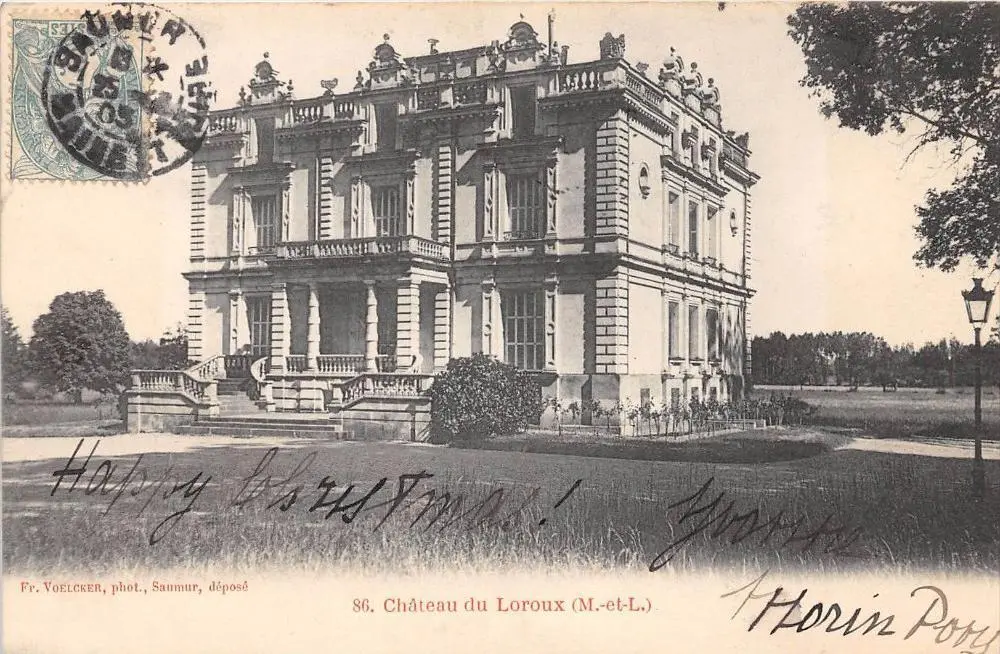
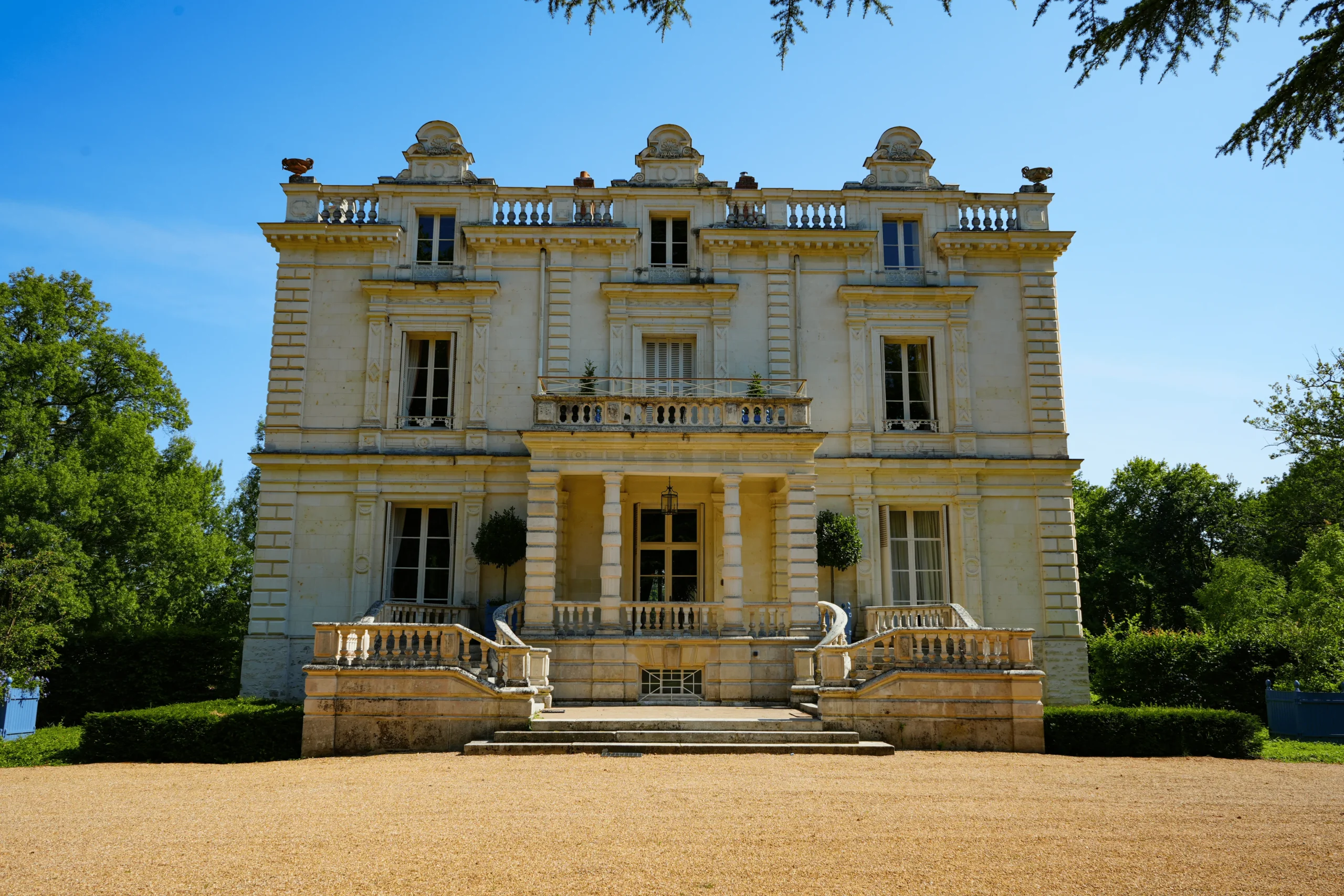
Following its suppression, parts of the abbey were used as a quarry; stones were removed for other building projects. In the 19th century, a new residence (castle) was built on the site of the former abbot’s lodging, integrating some of the ruins and preserving what remained.
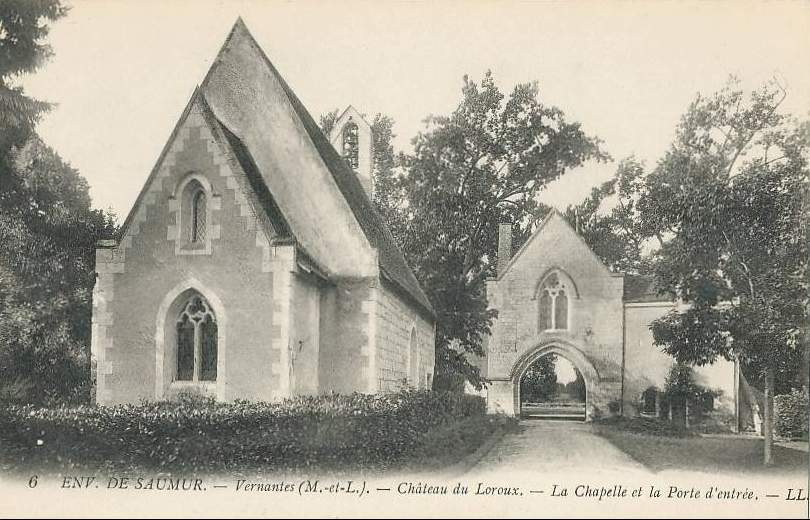
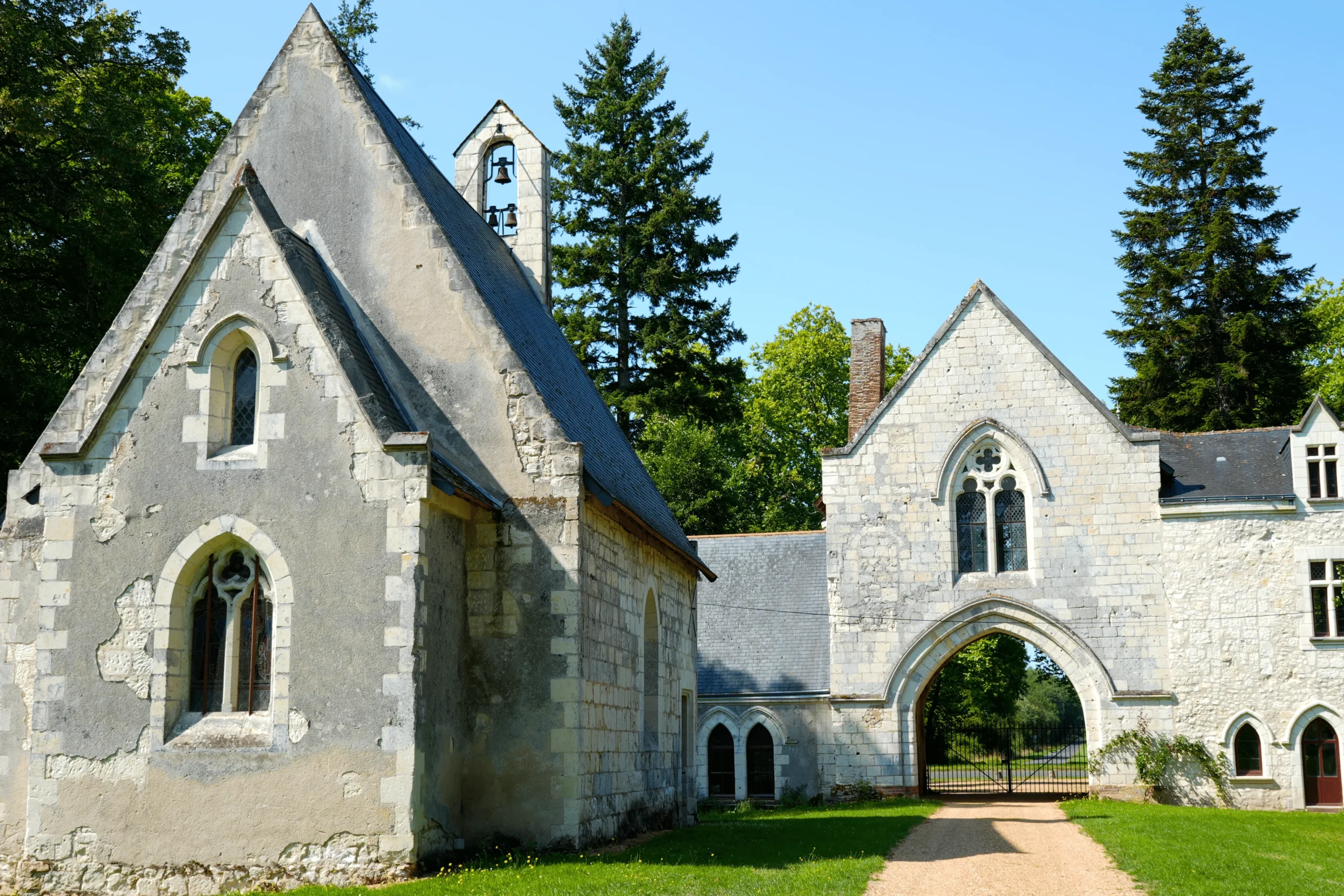
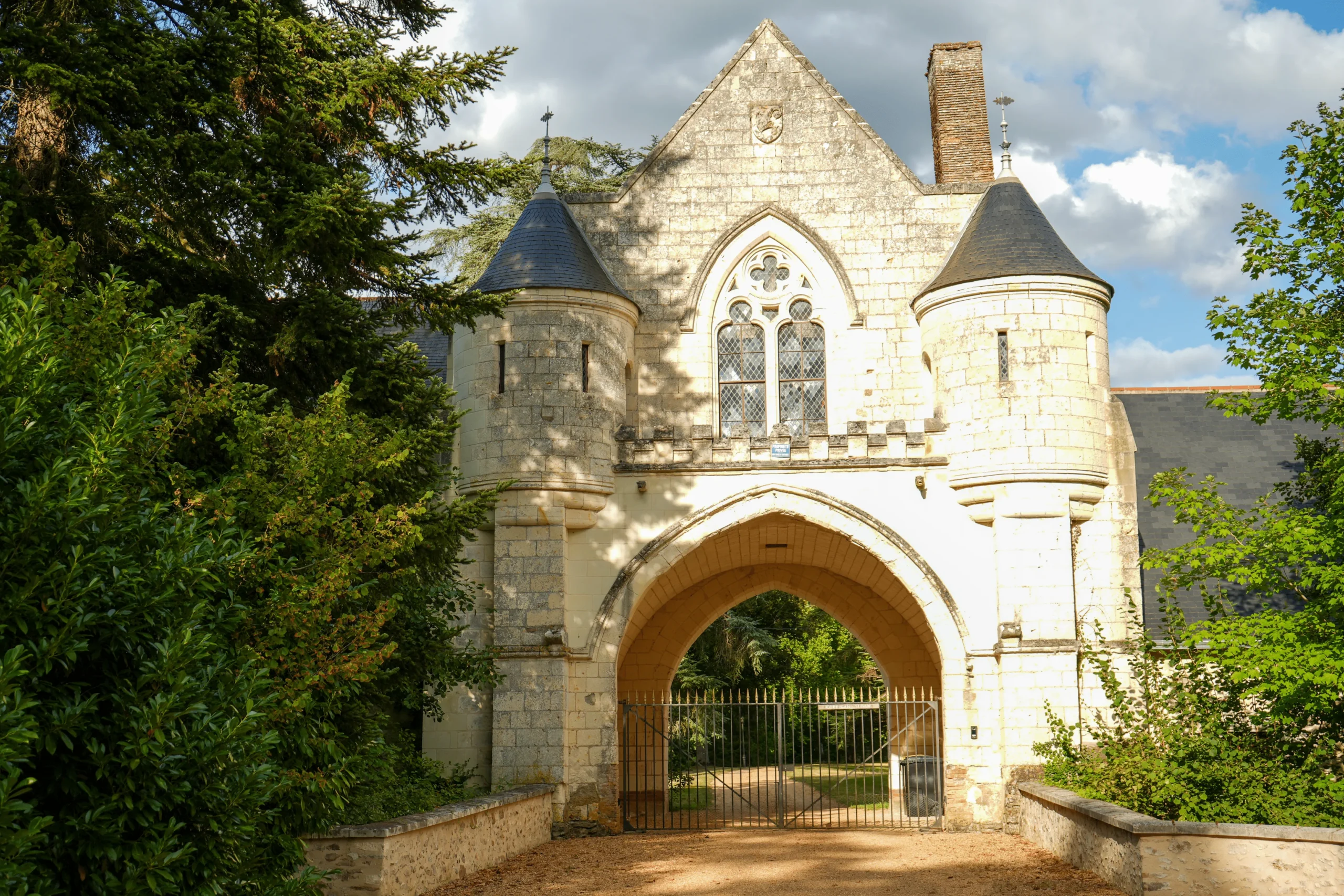
Although private property and largely inaccessible to the public, the ruins, chapel, and some architectural vestiges were listed in the Inventory of Historic Monuments.
Today: Preservation & New Life
Today, Château du Loroux preserves this rich heritage while offering modern luxury. The medieval ruins, chapel, and beautifully landscaped park serve as emblematic backdrops for weddings, retreats, and gatherings of distinction. The estate honors its past even as it’s written anew—with elegance, tailored hospitality, and timeless beauty.
From its beginnings as an early Cistercian abbey to its resilience through war and revolution, every stone at Château du Loroux tells a story. When you stay here, or celebrate here, you are part of that living narrative. The chapel where vows are exchanged, the ruins framing a ceremony, the gardens planted with centuries in mind—all contribute to an experience that is both luxurious and deeply rooted in French history.